
Products and applications
Start with the equipment, the part, or the wear problem.
Tell us the part, the machine it goes into, or what is destroying it. If you already have a print or an OEM number, that is the fastest route.
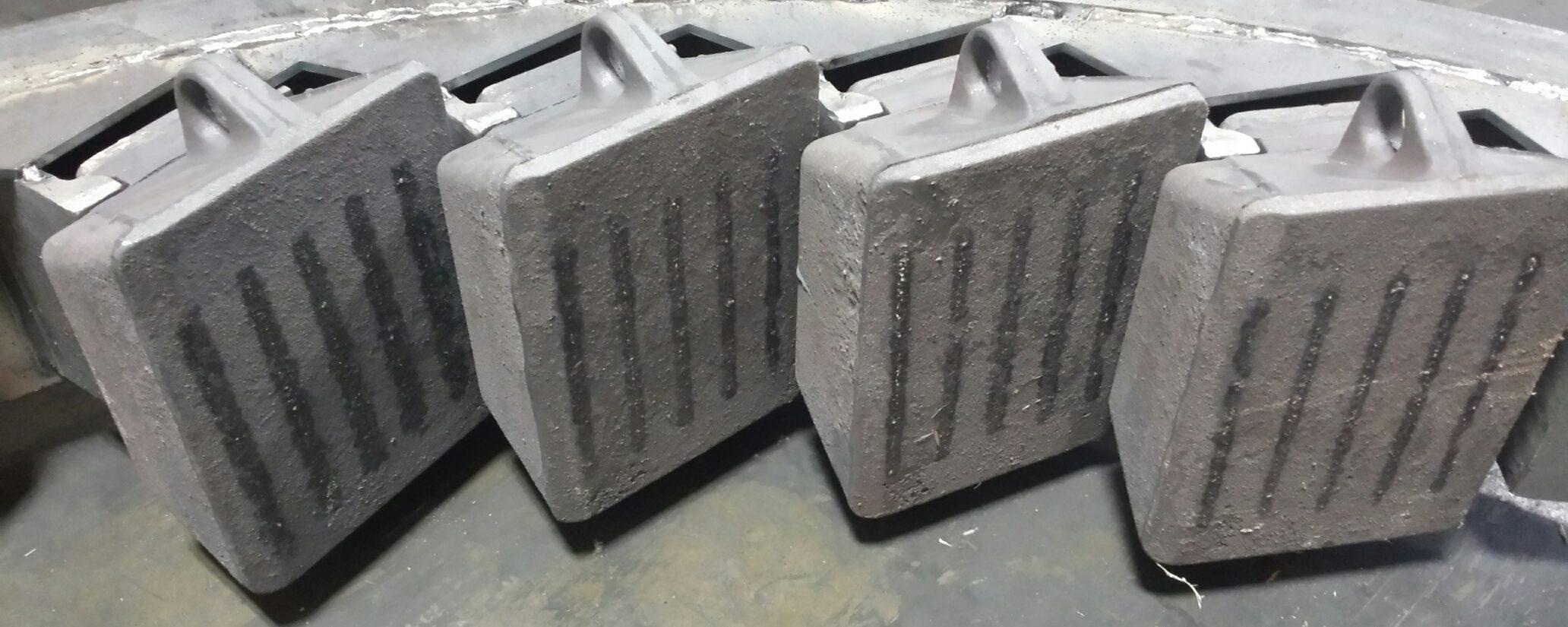
Product families
Four product families, two foundries, one site.
01
OEM steel castings
Production castings poured to your drawing for equipment builders — carbon and low-alloy steel, from prototype pattern through repeat release.
Carbon steel · Low-alloy steel
Equipment frames, housings, drive components
Parts and materials02
Aggregate wear parts
Crushing and transfer-point wear components for rock, sand, and gravel operations, matched to the abrasion and impact the crusher actually sees.
High-chrome iron · Alloy steel
VSI shoes and anvils, blow bars, feed disks, chute liners
Parts and materials03
Mining wear castings
Heavy wear castings for hard-rock mining, where a part failure stops production and wear life sets the shutdown schedule.
Alloy steel · High-chrome iron · Si-Tec®
Mill liners, wear plate, gyratory concaves
Parts and materials04
Investment castings
Close-tolerance castings for parts where machining allowance and surface finish decide the cost of the finished component.
Carbon steel · Alloy steel · Stainless
Small precision components, close-tolerance geometry
Parts and materials
Material and performance
The failure tells us the material.
Hardness alone does not solve wear. Too hard and the part cracks under impact; too tough and it polishes away under sliding abrasion. Tell us how the part is failing and we work back from there.
Talk to engineering| Wear mode | Service condition | Material strategy |
|---|---|---|
| Sliding abrasion | Material sliding across a surface at low impact | High-chrome iron, or Si-Tec® where a single alloy will not hold |
| Gouging abrasion | Rock forced into the surface under load | Alloy steel with heat treatment tuned for hardness and toughness |
| High impact | Repeated heavy blows, risk of cracking before wear | Alloy steel where toughness has to come before hardness |
| Structural and fatigue | Cyclic load, weld repair or machining after casting | Carbon and low-alloy steel, heat treated to the specification |
| Close tolerance | Finish and dimension decide the finished cost | Investment casting in carbon, alloy, or stainless steel |
Grades, hardness ranges, and mechanical properties on the material data sheets
Customization
Engineering support, not just a price.
Send your drawing, your specification, or the service data you have. Measurements and a wear pattern tell us what the application is doing to the part, and that is what the material and the geometry get chosen against.
Send a drawing- Drawing and pattern development where your documentation is incomplete
- Material substitution where the original grade is failing early in service
- Geometry changes to move wear away from a structural section
- Si-Tec® ceramic reinforcement placed only in the zones that need it
- Pattern strategy sized to prototype quantities or repeat production release
Related capabilities
How these parts get made.
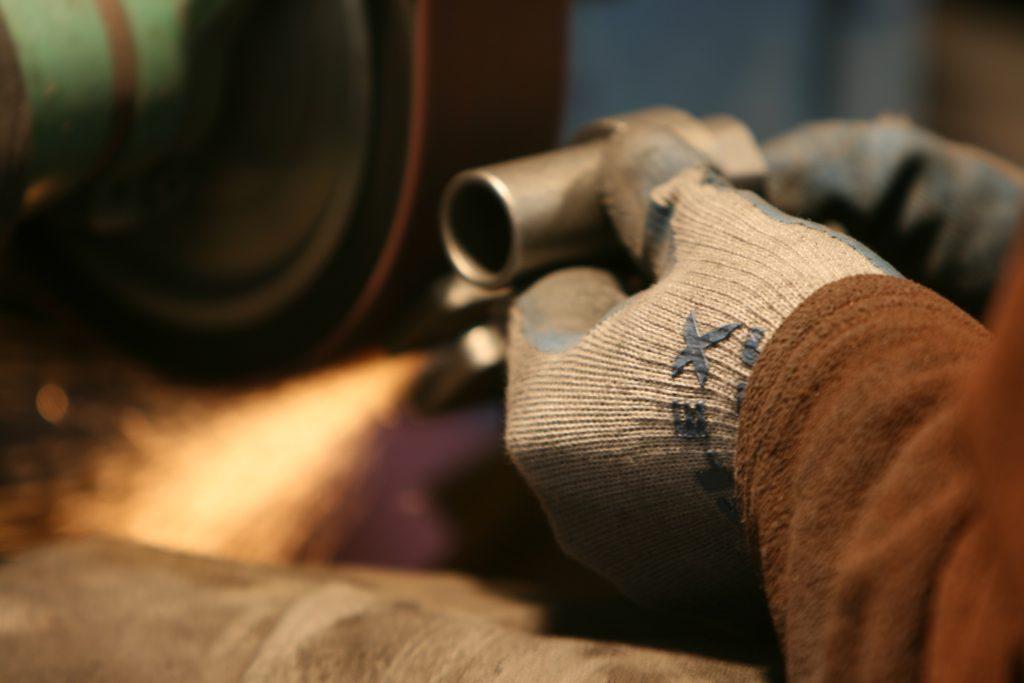
Melting, molding, finishing, heat treatment, and inspection happen on one site in Spokane Valley, and every stage leaves a record tied to the heat number.
Show us where the part is wearing.
Send a print, a model, or the measurements and wear pattern you have. Engineering reviews it and comes back with a quote.
Technical review within 48 hours