
Company / Spokane Valley, Washington
A historic industry with unfinished work.
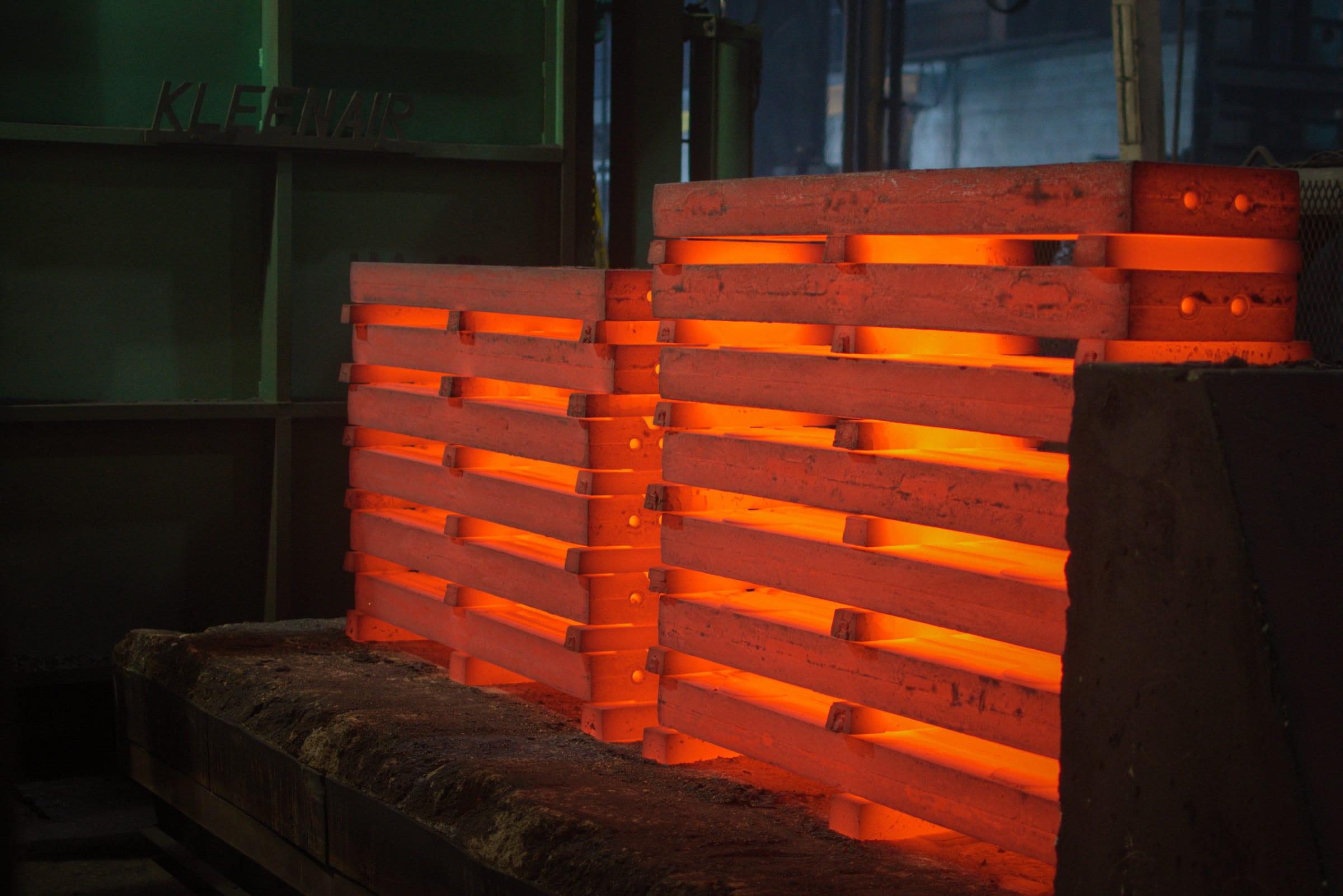
Spokane Industries has poured steel and iron castings in Spokane Valley since 1952, for equipment that works in conditions most parts do not survive.
Foundry work in this country got written off for thirty years. It still decides whether a mine or a crushing plant runs on Monday, and the people doing it are not caretakers of a dying trade. Under new ownership since 2022, we are running this plant for the next thirty years, not the last thirty.
Spokane roots / since 1952
One site, one city, one set of records.
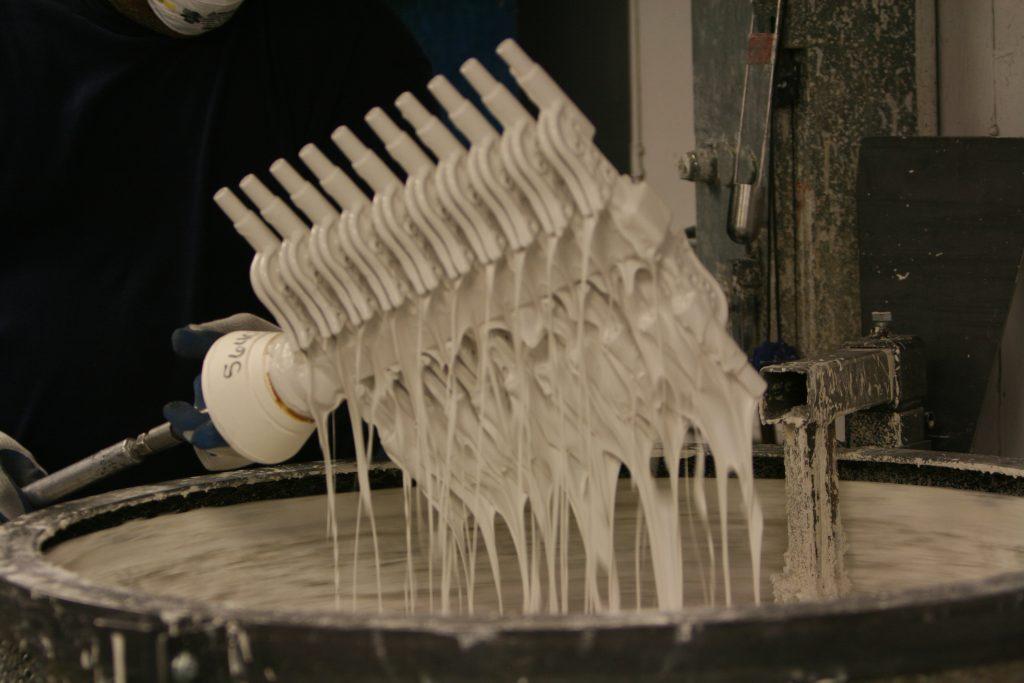
Melting, molding, finishing, heat treatment, and inspection all happen in Spokane Valley, across two foundries on one site: steel and iron in one, investment castings in the other. Nothing gets shipped out for a process and shipped back, and when a casting has a question against it, the person who can answer it is here.
- Founded
- 1952
- Site
- Approx. 250,000 sq ft
- Steel and iron
- Its own foundry
- Investment castings
- Its own foundry
- Manufacturing
- Domestic
Company record
Two families, one trade, 1952 to now.
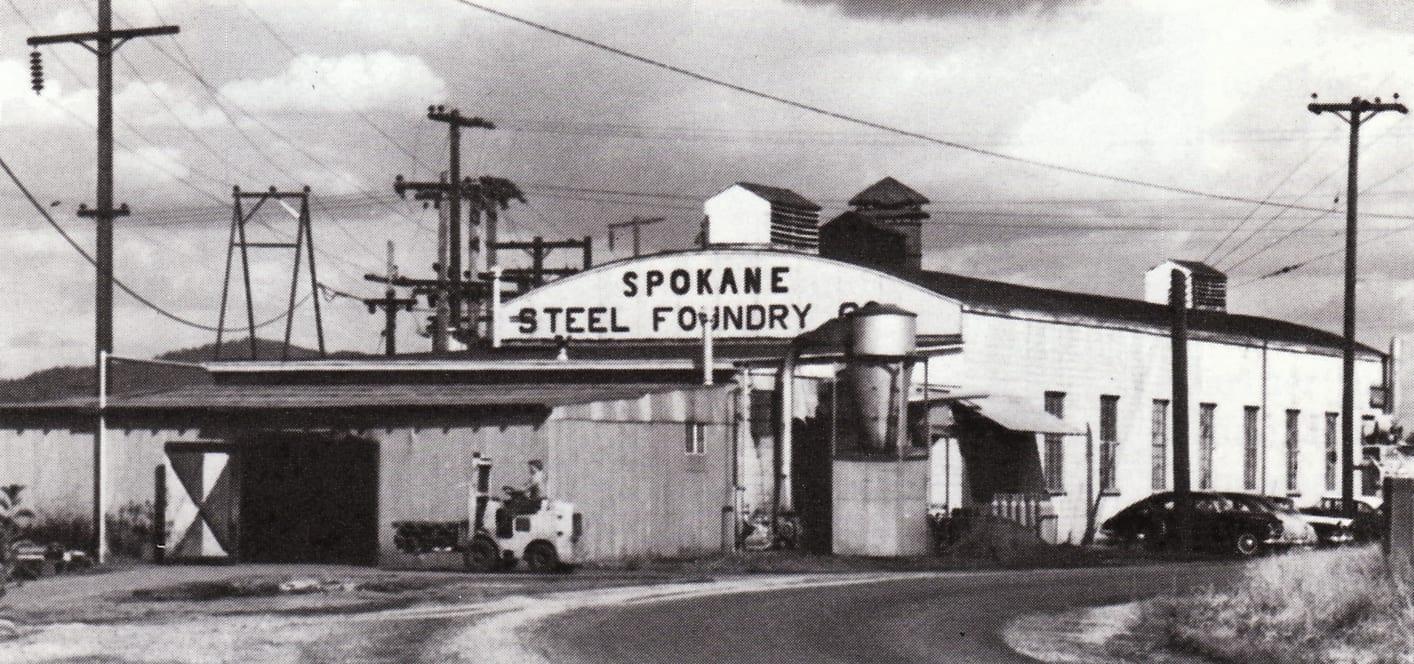
The foundry started as Spokane Steel Foundry and has been pouring metal in Spokane Valley ever since. The name on the building has changed twice. What happens inside it has not.
1952
Founded as Spokane Steel Foundry
John C. Tenold started the foundry. It has been pouring metal in Spokane Valley ever since, under two families and one trade.
1965
Moved to the Spokane Industrial Park
The operation relocated to the site it still runs on today, now approximately 250,000 square feet.
2022
Ownership passed to Pat and Lisa Turner
Greg and Tyrus Tenold sold the foundry business on January 4, 2022. The workforce stayed — the same people kept pouring the same parts the following Monday.
Ownership
Short distance between the customer and the metal.
There is not much company between you and the part. The people who quote the job are in the building where it gets poured, and they can walk out and look at it. That is accountability in practice, and it beats an org chart.
Talk to engineering- The person who quotes the job can go look at the casting the same afternoon
- Engineering decisions get made against the wear you are seeing, not against a catalog
- A questionable inspection result gets re-examined here, the same day, because the equipment is ours
- When we get something wrong, you talk to the people who got it wrong, not to an account manager

Owner
Pat Turner
More than 25 years in mining and metallurgy before buying the foundry. Metallurgical engineering at the University of Arizona, MBA at UC Berkeley.
Before Spokane Industries
- President, North American Region, FLSmidth & Co.
- President, Krebs Engineers
Owner
Lisa Turner
More than 20 years owning and running small businesses. Business administration and marketing at San Jose State University.
People and culture
Written procedure, and the judgment that goes on top of it.
Melting, molding, and finishing run to written procedures, and people are trained on them formally before they run the job. What a procedure cannot hand over is judgment: reading a pour, hearing when a machine is wrong, knowing a casting is off before a gauge says so. Most of the people here have those years.
Manufacturing future
Reindustrialization is not a slogan here, it is the order book.
Domestic casting capacity matters again, for unsentimental reasons: lead times, tariffs, and the discovery that a supply chain four oceans long is not a supply chain. What we do with that is unglamorous: keep the capability in-house, and put the wear data customers send back into the next revision of the part.
- Capability stays in-house rather than brokered out — melt, treat, finish, and inspect
- Field wear measurements come back into the material and the geometry
- Si-Tec® development continues against the wear problems customers actually bring
- Records stay retrievable long after the part has worn out
What we make
Four product families, two foundries, one site.
01
OEM steel castings
Carbon steel · Low-alloy steel
Equipment frames, housings, drive components
02
Aggregate wear parts
High-chrome iron · Alloy steel
VSI shoes and anvils, blow bars, feed disks, chute liners
03
Mining wear castings
Alloy steel · High-chrome iron · Si-Tec®
Mill liners, wear plate, gyratory concaves
04
Investment castings
Carbon steel · Alloy steel · Stainless
Small precision components, close-tolerance geometry
Careers
We hire for the floor and for the office.
The work is physical, the environment is hot and loud, and the trade takes years to learn properly. It is a skilled trade, and the people who take it on tend to stay.
Open positions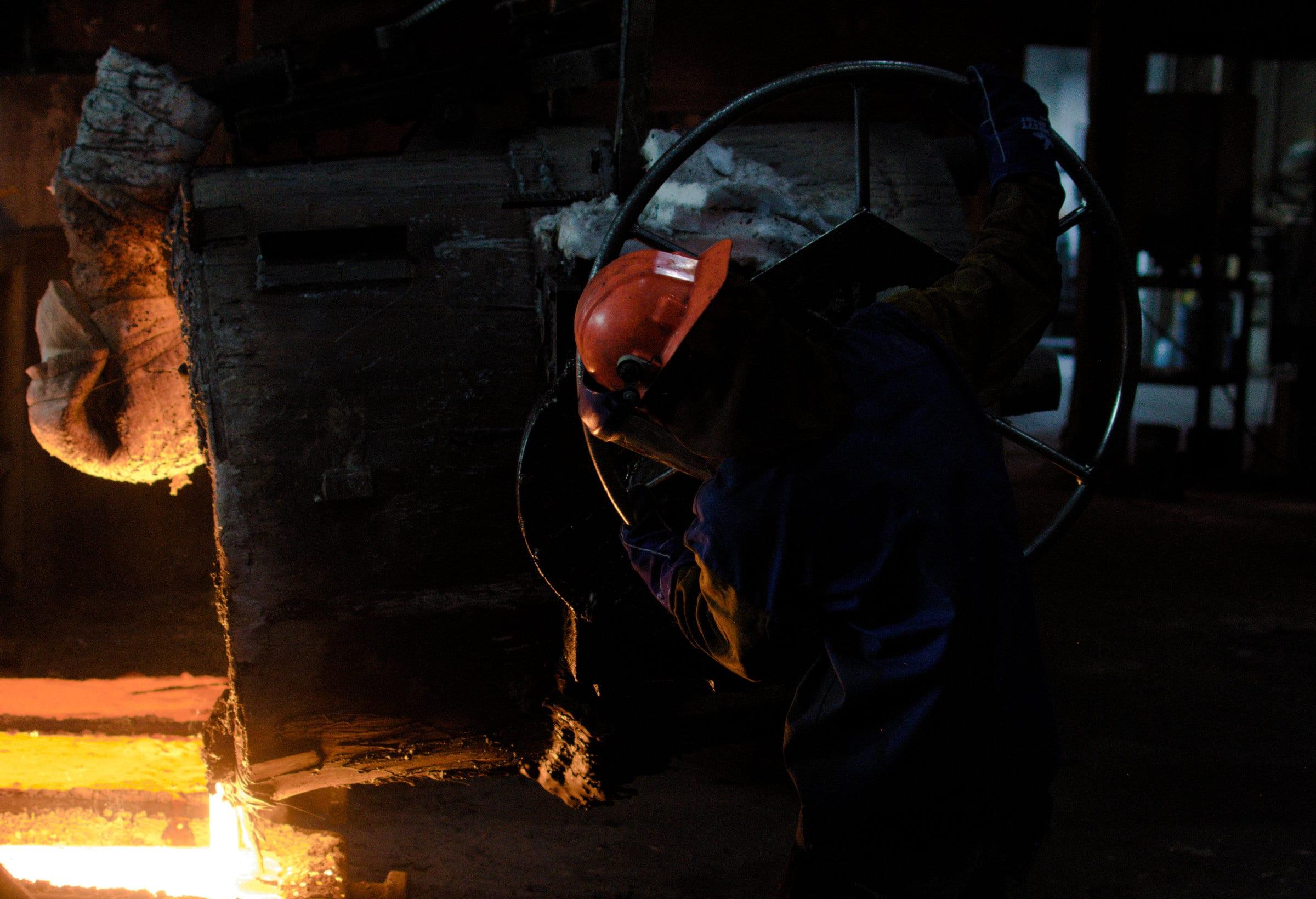
Come see the floor.
Buyers who visit tend to stop asking whether we can do the work. If you are evaluating us as a supplier, the plant is a better argument than this page is.
3808 N Sullivan Rd, Bldg #1, Spokane Valley, WA 99216
509-924-0440